Wendy’s Turns Down $1.4 Billion Buyout and Adopts a ‘Poison Pill’ Defense to Block a Takeover
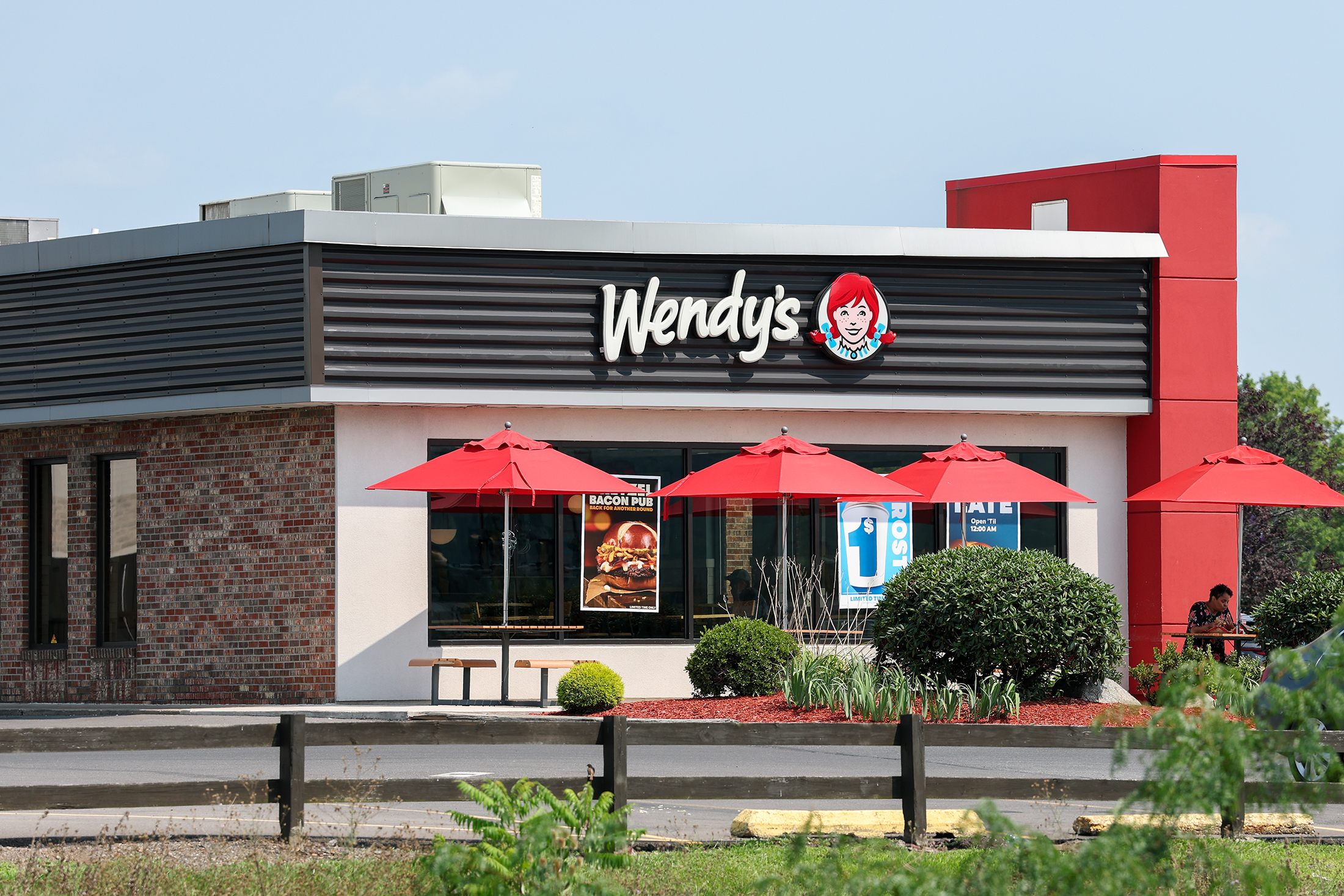
The chain rejected activist investor Nelson Peltz's offer, saying it “substantially undervalues” the company.
Wendy's decision to turn down Nelson Peltz's $1.4 billion buyout offer and adopt a 'poison pill' defense is a significant move that showcases the company's confidence in its current trajectory and valuation. For talent, this development highlights the importance of understanding the strategic decisions that drive business growth and stability. By rejecting Peltz's offer, Wendy's is signaling that it believes its current leadership and strategy are on the right track.
The adoption of a 'poison pill' defense is a tactical move that will make any potential takeover more difficult and expensive for Peltz or any other suitor. This defense mechanism is designed to dilute the ownership stake of any acquiring party, making it more challenging for them to gain control of the company. For talent, this move underscores the complexities of corporate governance and the various strategies that companies employ to protect their interests.
As the fast-food industry continues to evolve, Wendy's decision to maintain its independence will be closely watched by talent and investors alike. What's next to watch is how Peltz responds to this rejection and whether he will try to increase his offer or take a different approach. Additionally, talent will be interested in seeing how Wendy's leadership executes on its growth strategy and whether the company can continue to deliver value to its shareholders and employees.
Originally reported by entrepreneur.com. TalentNews adds analysis for business & startups readers.