Elon Musk Is Killing Cybertrucks — But Says Telsa Needs to Add an Extra Shift to Get Backlog Orders Done Before Production Ends
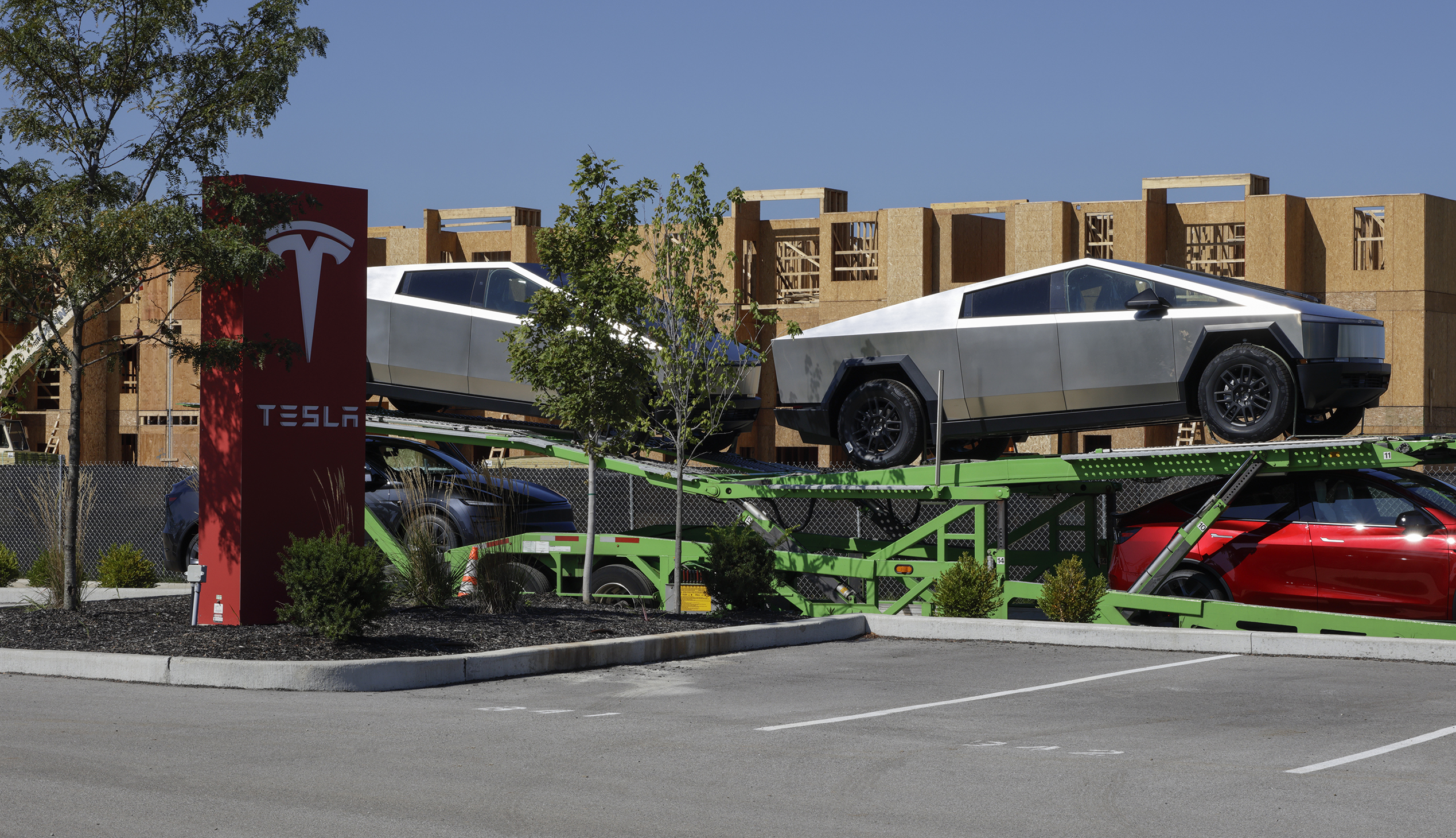
Tesla's CEO says demand is bigger than the factory can handle before the space shifts to building Tesla’s Cybercabs.
Elon Musk's announcement that Tesla will be ending Cybertruck production raises several questions about the company's strategy and priorities. On the surface, it seems counterintuitive to discontinue a product that's still generating significant interest, but Musk's comments suggest that demand is outpacing supply, and the factory is struggling to keep up. This speaks to a classic problem of scaling production, where companies often find it difficult to meet surging demand.
The fact that Tesla needs to add an extra shift to clear out backlog orders before production ends implies that the company is prioritizing fulfilling existing commitments over starting new ones. This makes sense, given the importance of maintaining customer trust and satisfaction. However, it also highlights the challenges of managing production capacity and workforce planning. As Tesla prepares to shift production to its next big project, Cybercabs, the company will need to ensure that it has the right talent and operational infrastructure in place to support the transition.
What's next to watch is how Tesla manages the transition from Cybertruck to Cybercabs production, and what this means for the company's workforce and talent strategy. Will Tesla be able to retrain and redeploy existing employees, or will it need to recruit new talent with different skill sets? How will the company balance the need to meet short-term demand with its long-term strategic goals? As Tesla continues to push the boundaries of innovation and growth, its ability to manage talent and production will be critical to its success.
Originally reported by entrepreneur.com. TalentNews adds analysis for business & startups readers.