AI Just Told a Customer Something False About Your Company. Now What?
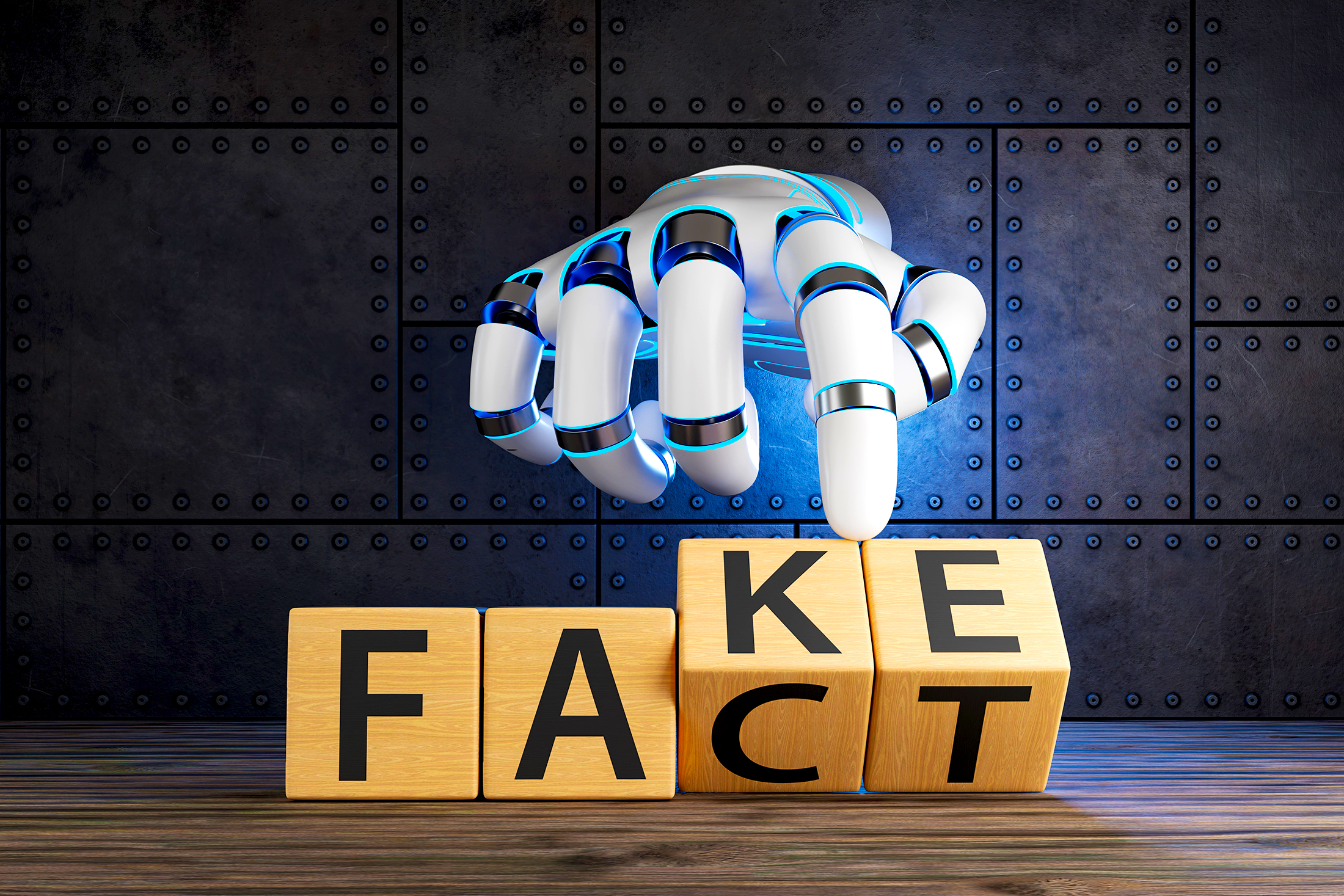
There is no correction desk when an assistant serves false facts about your business. The five ways AI gets companies wrong, and the upstream repair for each one.
The rise of AI assistants has made it easier for customers to get information about companies, but it also increases the risk of false information being spread. This is a major concern for businesses, as it can damage their reputation and lead to a loss of trust among customers. The fact that there is no correction desk for AI assistants means that companies need to be proactive in ensuring the accuracy of the information being provided about them.
The five ways AI gets companies wrong can be attributed to various factors such as outdated information, incorrect data sources, and lack of context. For instance, AI may provide false information about a company's products or services, its mission and values, or its leadership team. This can be due to the AI's reliance on outdated data or its inability to understand the nuances of a company's messaging. As a result, companies need to have a strategy in place to correct false information and ensure that their brand is represented accurately.
For talent, this means being vigilant about the information being provided about their company and taking steps to correct any false information. This can involve monitoring AI assistants and other online sources, providing accurate and up-to-date information to data sources, and having a plan in place to address any misinformation that may arise. Companies should also be watching how AI assistants are being used by customers and how they can work with these assistants to provide accurate information. As the use of AI assistants continues to grow, it will be important for companies to stay ahead of the curve and ensure that their brand is represented accurately in the digital landscape.
Originally reported by entrepreneur.com. TalentNews adds analysis for business & startups readers.